
Episode 43 - Detmar Blow: Disciple of Ruskin, Champion of the Arts and Crafts Movement
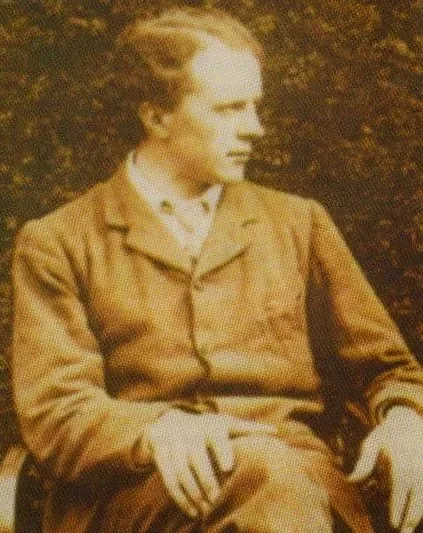
Detmar Blow was one of the brightest stars of the Arts and Crafts Movement – but his story is also dark and mysterious. A pupil of the Kensington School of Art, where he met Lutyens – a lifelong friend – he won a travelling scholarship to draw cathedrals in France. At Abbeville, he had a chance encounter with the great Victorian sage aesthete John Ruskin, then in the decline of his old age. Blow escorted Ruskin to the Alps and imbibed his radical philosophy. On his return to England, he did not complete his architectural apprenticeship but became a clerk of works to learn the fundamentals of building, as dictated by the principles of the Arts and Crafts Movement. So he directed the building of Ernest Gimson’s Stoneywell Cottage in Leicestershire, a building that seems to have grown out of the ground it stands on. And in 1896 he was with William Morris when he died and drove his coffin to the churchyard in a yellow harvest wagon decorated with willow boughs and vineleaves.
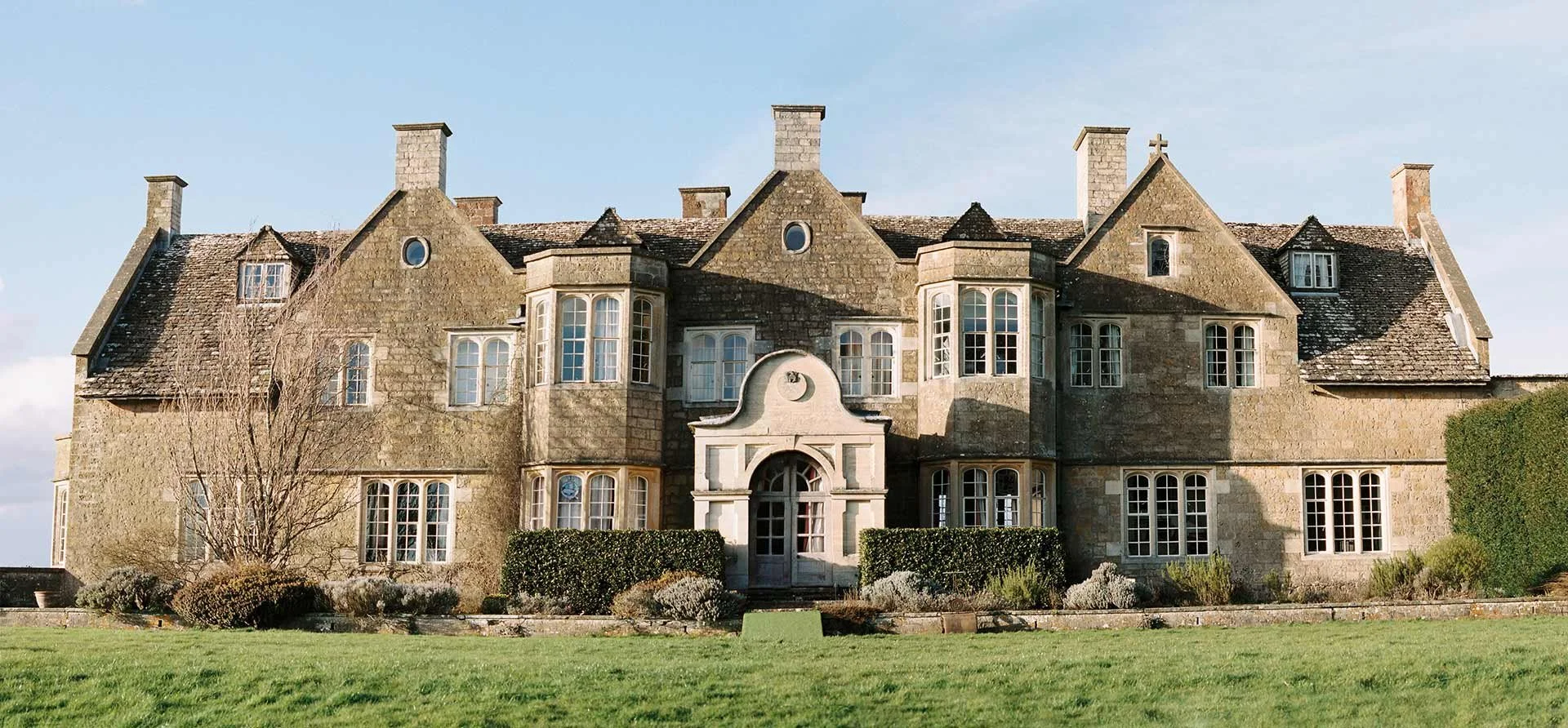
Hilles House, built by and lived in by Blow
Immensely good looking, Blow became an intimate of the intellectual aristocrats of The Souls, for whom he designed or remodelled several country houses, according to the philosophy of the Society for the Protection of Ancient Buildings. He had an affair with at least one of them, Pamela. Tenant. In 1910 he married Gertrude, a daughter of the Hon. Hamilton Tollemache, whom he had met while touring Suffolk in a gypsy caravan. The horny-handed craftsmen with whom he worked were given prime seats at his wedding in St Paul’s Cathedral. Yet by then, despite his impeccably Arts and Crafts credentials, he had taken a French partner, Fernand Billerey, to undertake fashionable work in the West End. He also, fatally, came into the orbit of Bendor, the 2nd Duke of Westminster. After the First World War he became his factotum. He was on the latter’s yacht, the Flying Cloud – whose interiors he had designed in Cotswold style – that Blow’s star came crashing down to earth. He was accused of peculation and never recovered. How did this extraordinary story unfold? What were the motivations of the key players? What role was played by the ideal country house that Blow created for himself and his family at Hilles, on a Cotswold escarpment with views to the Severn Estuary? Do Clive and John have the answers? Some of them, perhaps….
